Short Take- Imaging the Urbane- Control, and Representations of “Culture” -Part II
In Imaging the Urbane- Control, and Representations of “Culture” I suggest that Serlio’s backdrops for the three Greek performances increased the agency of Architecture through the use of carefully constructed architectural images. The effectiveness of the backdrops was increased by the performance itself, as the characters in the performances were validated by the image behind them. Furthermore, in each case, the street becomes the space in which the spectacle of class and culture play out.
If the street is where the spectacle plays out, are there instances where this plays out? In Walking in Roman Culture, Timothy O’Sullivan suggests argues that there is a long history of awareness associated with walking in public spaces, illustrating purpose, and class in society. What is not often taken into account is that this behavior was/is present North American culture.
Hence the intention the three following quick montages layering images of people cake walking on top of three backdrops prepared by Sebastiano Serlio. The cake was a type of performance present in slave communities in the United States. Slaves that were able to leave the plantation and go to more urban areas would carefully observe the behaviors of slave owners and other whites as they promenaded through the city. Upon return, they would imitate the behaviors they witnessed to the amusement of the other slaves.
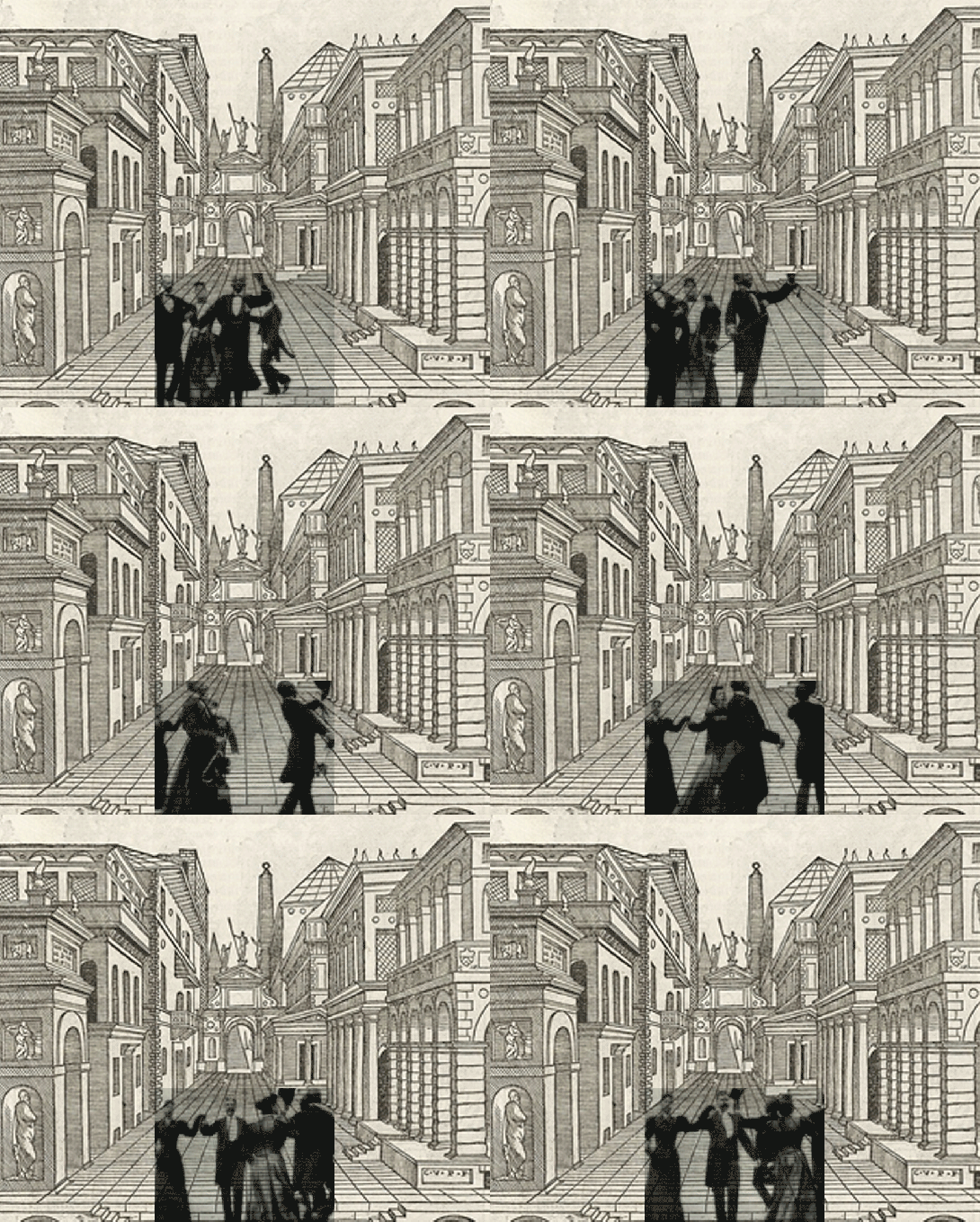
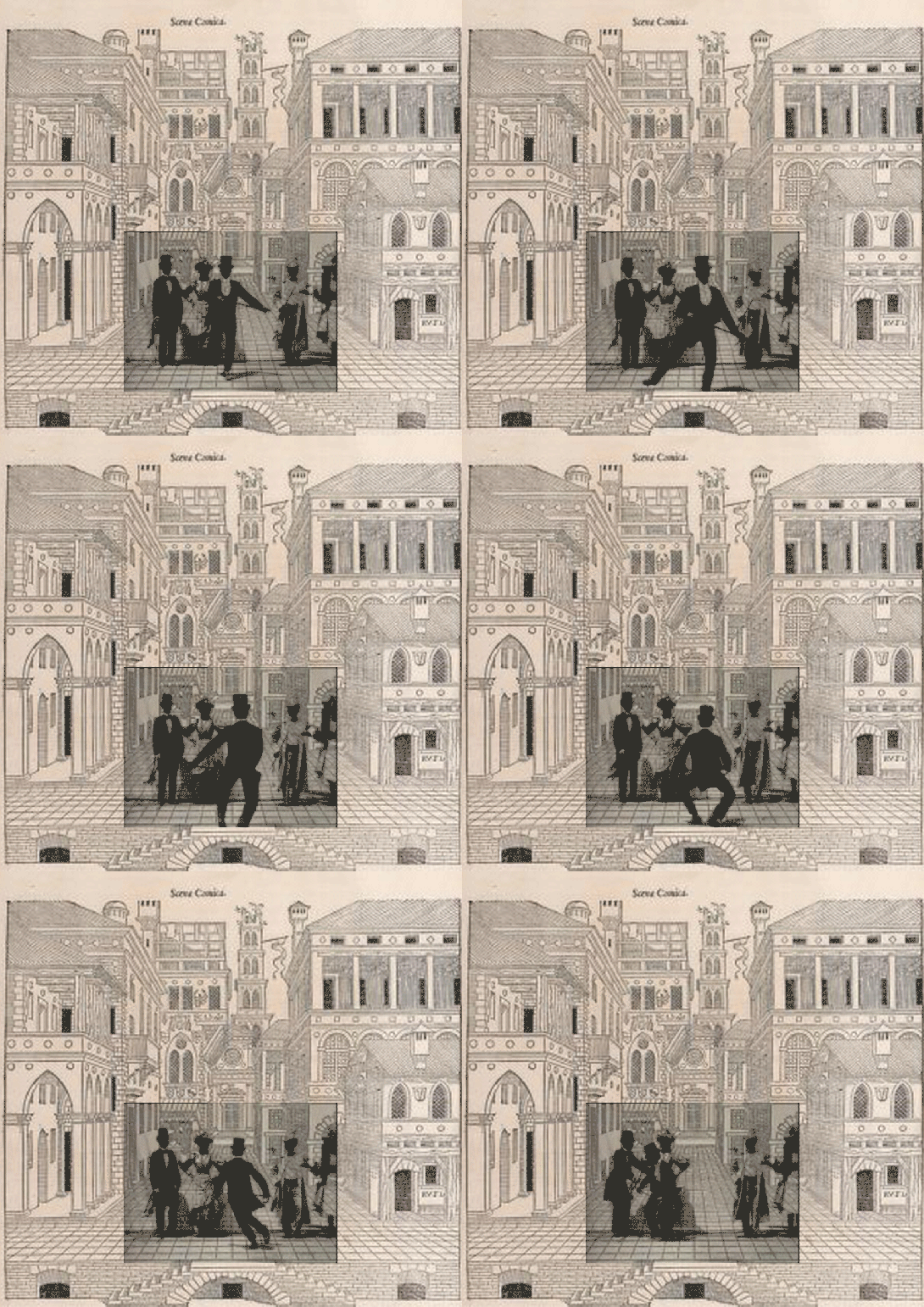
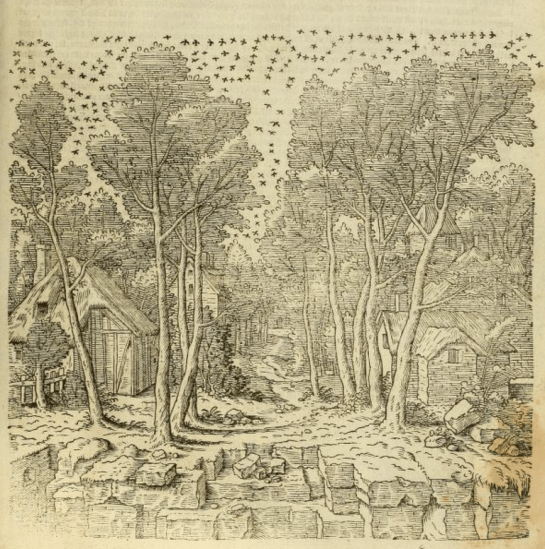
But what is also interesting is that this active form of display gave way to passive forms of learning, potentially paralleling the relationship slaves have with religion in the United States.
 Making Agency